
Coin Toss
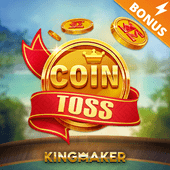
Coin Toss is a focused cards Game experience for quick decisions, clean rounds, and an easy-to-follow interface.
The Coin Toss Demo view is a practical way to learn the controls before choosing a session.
This Coin Toss guide answers the essential question: how does a simple two-outcome cards Game become an enjoyable KM88 session? Coin Toss keeps the choice visible, the round short, and the result easy to understand. A Coin Toss Demo lets new visitors review the sequence without confusing menus, while returning players can move straight to the familiar selection screen.
For the best Coin Toss experience, read the round information first, decide on a measured stake, and treat every result as independent. Coin Toss is entertainment rather than a promise of income. The Coin Toss Demo is useful for learning, but demo results should never be read as a prediction of a later paid round.
styleCoin Toss Related KM88 Cards Games
These four cards titles share the KM88 promotion action but offer different rhythms. Compare the visible rules and choose the format that suits your planned session.
Coin Toss Winning Habits For Better Decisions
The most useful Coin Toss tip is to slow down before confirming a side. Read the current rules, set a time and spending limit, and keep the stake consistent with that plan. This approach helps separate a deliberate choice from a reaction to the last result.
Use the Coin Toss Demo to rehearse where the selection, stake, and result appear. Verify the highlighted side once, then wait for the round to settle. Avoid chasing a loss, increasing an amount because of a streak, or treating a previous outcome as a forecast.
A short pause between rounds is another practical advantage. Check your balance, note whether you are still within your limit, and stop when the session objective is complete. These habits keep Coin Toss clear and enjoyable on both a phone and a larger screen.
Building A Coin Toss Game Strategy
A sound Coin Toss strategy manages decisions and limits; it cannot control a random result. Begin by checking the accepted stake range and any live payout information. Choose a simple unit that fits your entertainment budget, define a maximum number of rounds, and keep those boundaries visible.
The core sequence is review, select, confirm, observe, and reassess. A Coin Toss Demo makes it easy to practice this sequence without confusing the learning of controls with evidence of future performance. In a live session, do not change sides simply because the other side appeared recently.
If the interface, connection, or rules are unclear, pause rather than improvise. A strategy is successful when it keeps the session understandable and within plan, not when it promises a win. Leave the game if the preset time or loss ceiling is reached.
What Players Value In Coin Toss
Players commonly value Coin Toss for its visible two-side choice and quick round rhythm. New visitors can understand the basic interaction quickly, while experienced users can check the same information without navigating a long sequence of menus.
A useful player perspective also includes the less exciting details: readable text, responsive controls, a stable connection, and a clear result panel. On mobile, comfortable spacing matters because a hurried tap can select the wrong option. The Coin Toss Demo helps a visitor judge whether the layout feels clear before deciding whether the format suits them.
Good feedback should distinguish interface convenience from outcome expectations. A smooth session does not remove uncertainty, and a disappointing round does not prove that the rules changed. Review the current information panel and keep personal spending limits separate from opinions about a single result.
Coin Toss Features, Strengths, And Limits
Coin Toss is a strong fit for visitors who want a compact interface and a straightforward choice, but it is not a way to remove risk. The focused panel, short rounds, and Coin Toss Demo learning path make the format easy to compare with other KM88 cards titles.
Useful for
Quick, readable rounds, simple controls, and mobile-first review.
Keep in mind
Random outcomes, changing live terms, and no guaranteed return.
The main limitation is the same feature that makes the game accessible: a simple choice does not create a reliable advantage. Coin Toss cannot predict the next side, and a demo cannot establish paid-play odds. Read the current rules, use an amount you can afford to lose, and stop if the experience no longer feels recreational.
Choosing Coin Toss For Your Session
Choose Coin Toss when the current rules, pace, and controls match your plan. First check that the displayed stake range fits your budget and that the payout information is understandable. Next, use the Coin Toss Demo to see whether the selection and confirmation steps are comfortable on your device.
- Prefer a clear two-side decision instead of a feature-heavy interface.
- Confirm that the session length and stake fit a predetermined entertainment limit.
- Check the connection, screen size, and touch spacing before beginning.
- Accept that every round is uncertain and that no selection method guarantees a result.
If any of these conditions is missing, choose a different activity or wait until the information is clear. Careful selection is more useful than adding complexity to a Coin Toss routine.
info_outlineWhat Is Coin Toss?
Coin Toss presents a straightforward choice between two sides. The player reviews the displayed options, selects one side, confirms the stake, and waits for the round outcome. That compact loop is the reason Coin Toss is approachable for both first-time and experienced players. There is no need to memorize a long paytable: the essential task is to understand the available choice and confirm it carefully.
As a cards Game listing, Coin Toss sits beside other quick-play titles in the KM88 lobby. Its clean rhythm suits a short break, and its simple design makes the Coin Toss Demo easy to follow on a small screen. The demo view is for familiarization with the interface, including the selection area, confirmation control, balance display, and result panel.
A good Coin Toss routine begins with information, not impulse. Check the displayed rules, confirm the accepted stake range, and make sure the selected side is the side you intended. Coin Toss does not become more likely to produce a preferred result because a previous round showed the other side. The Coin Toss Demo can illustrate that independence in a calm, risk-free setting.
Visitors who want a different pace can compare the Ocean King Jackpot listing while keeping this Coin Toss page open as a quick reference. The link is informational; any registration or gaming action is handled by the KM88 promotion controls rather than by ordinary navigation.
How To Play Coin Toss
- Review the panel. Open Coin Toss and read the visible round information. In the Coin Toss Demo, identify the two side selections and the confirmation control before starting.
- Set a limit. Choose an amount that belongs to your entertainment budget. A cards Game session should never use money reserved for essentials.
- Choose one side. Tap the intended side once and pause long enough to verify the highlight. Coin Toss rewards careful confirmation, not hurried taps.
- Confirm the round. Check the displayed stake and selection, then submit only when both are correct. The Coin Toss Demo offers a useful rehearsal of this step.
- Read the result. Allow the result panel to finish before starting another round. Record the outcome if you are tracking a personal session limit.
- Stop on schedule. End the Coin Toss session when the time or loss limit is reached. A fresh Coin Toss round is never a reason to chase an earlier result.
For mobile players, the Golden Genie page offers a useful comparison of a different game format. The Coin Toss controls remain most comfortable when the device is held upright, the connection is stable, and each touch target is given time to respond.
Coin Toss Odds And RTP Notes
The compact analysis below is a learning model for a two-sided Coin Toss round, not a guarantee of a particular KM88 return. Always use the current in-game information panel as the controlling source for rules, settlement, and any displayed payout. A cards Game outcome is random, and a short personal sample cannot establish a long-term result.
| Measure | Reference view | How to read it |
|---|---|---|
| Side A chance | 50% model | A simple even-outcome illustration |
| Side B chance | 50% model | The opposite side is not due after a loss |
| Combined outcomes | 100% model | Both displayed sides cover the basic round |
| Jackpot / RTP | Check live rules | Never assume a jackpot or RTP value without a current panel |
RTP describes a theoretical long-run return where the game publishes one; it does not describe the result of one Coin Toss round. Likewise, a jackpot label, if shown in a lobby, is not a promise that a specific session will trigger it. The Coin Toss Demo is especially useful for understanding layout and timing, not for estimating a personal win rate.
Use the 50% reference only to understand why streaks can happen without changing the next-round model. Five identical results do not make the other side more likely. The same discipline applies across a cards Game library: compare rules, set a limit, and stop when your plan says to stop.
Coin Toss Features And Session Habits
Clear choice
Coin Toss keeps the main decision visible, which helps a player verify a tap.
Short rounds
A Coin Toss round is easy to fit into a planned, time-limited session.
Demo learning
Coin Toss Demo practice familiarizes visitors with the flow before action.
Mobile focus
Large, deliberate taps make a cards Game easier to review on a phone.
Strong session habits are more valuable than a complicated system. Before Coin Toss begins, decide how long you will play and how much you are willing to spend. During Coin Toss, use the same stake logic for each planned round instead of changing it emotionally. Between rounds, check your balance and take a pause. After Coin Toss ends, leave the table and review the session later if you want to learn from your choices.
A Coin Toss Demo can also help visitors practice accessibility habits: zoom should remain at a comfortable level, the screen should be free of overlays, and the confirmation area should be tapped once. If a result appears delayed, do not tap repeatedly; wait for the interface or contact support through the official channel.
Responsible play means Coin Toss stays a leisure activity. Do not borrow to play, do not treat a cards Game as a way to pay bills, and do not use a loss as a reason to increase the next stake. If the session stops feeling enjoyable, close it and take a break.
Coin Toss FAQs
styleRelated KM88 Cards Games
Explore a different style with the Sabong page, then return to Coin Toss when you want a compact cards Game round. Each related tile uses the real KM88 game name and icon and opens the configured promotion action.